
Tokyo
Japan 日本

Ancient spirit, dazzling modern skyline
We will have the fantastic opportunity to explore two different ports (yet close in proximity) for our 2027 cruise embarkation and disembarkation.
Voyage 1 will begin in Tokyo and complete in Yokohama, approximately 21 miles from Tokyo
Voyage 2 will alternately begin in Yokohama and complete in Tokyo, while the rest of the cruise follows the same path as Voyage 1
Together, they form a perfect duet for our 2027 Dave Koz Cruise– Tokyo’s electricity and Yokohama’s calm, two sides of Japan’s modern soul playing in harmony.
Port Location: International Cruise Terminal (Japan, 〒135-0064 Tokyo, Koto City, Aomi, 2 Chome−8, 地先 東京国際クルーズターミナル)

Explore Tokyo
Tokyo dazzles as a metropolis where ancient shrines nestle amid neon-lit skyscrapers and serene gardens, offering endless contrasts from the tranquil Meiji Jingu Shrine's forested paths to the electric chaos of Shibuya Crossing…and we get to explore this incredible city as it plays host to our 2027 Dave Koz Cruise as our embarkation port for Voyage 1 and disembarkation port for Voyage 2!
Senso-ji Temple in Asakusa delivers Tokyo's oldest spiritual heart with its towering red lantern and bustling Nakamise shopping street, while Shinjuku Gyoen National Garden provides peaceful cherry blossom picnics.
Dive into futuristic fun at Odaiba's waterfront, home to the towering Gundam statue, interactive science museums and Rainbow Bridge views over Tokyo Bay. Roppongi Hills and Shibuya Sky observation decks let you soar above the skyline for panoramic cityscapes, especially magical at sunset when Mount Fuji might peek through on clear days.
Culinary adventures await in Tsukiji and Toyosu markets, where fresh sushi, street ramen and kaiseki dining showcase Japan's flavors, or wander Harajuku's quirky fashion streets and crepe stands for a taste of youth culture. Imperial Palace gardens offer free moatside walks amid historic walls, blending imperial elegance with Tokyo Station's modern rush.
Whether chasing sumo matches, robot cafés, or night markets, Tokyo rewards with 24/7 energy and hidden oases—grab an ICOCA card for seamless trains and arrive hungry for both sights and stories…Japan– we have arrived!
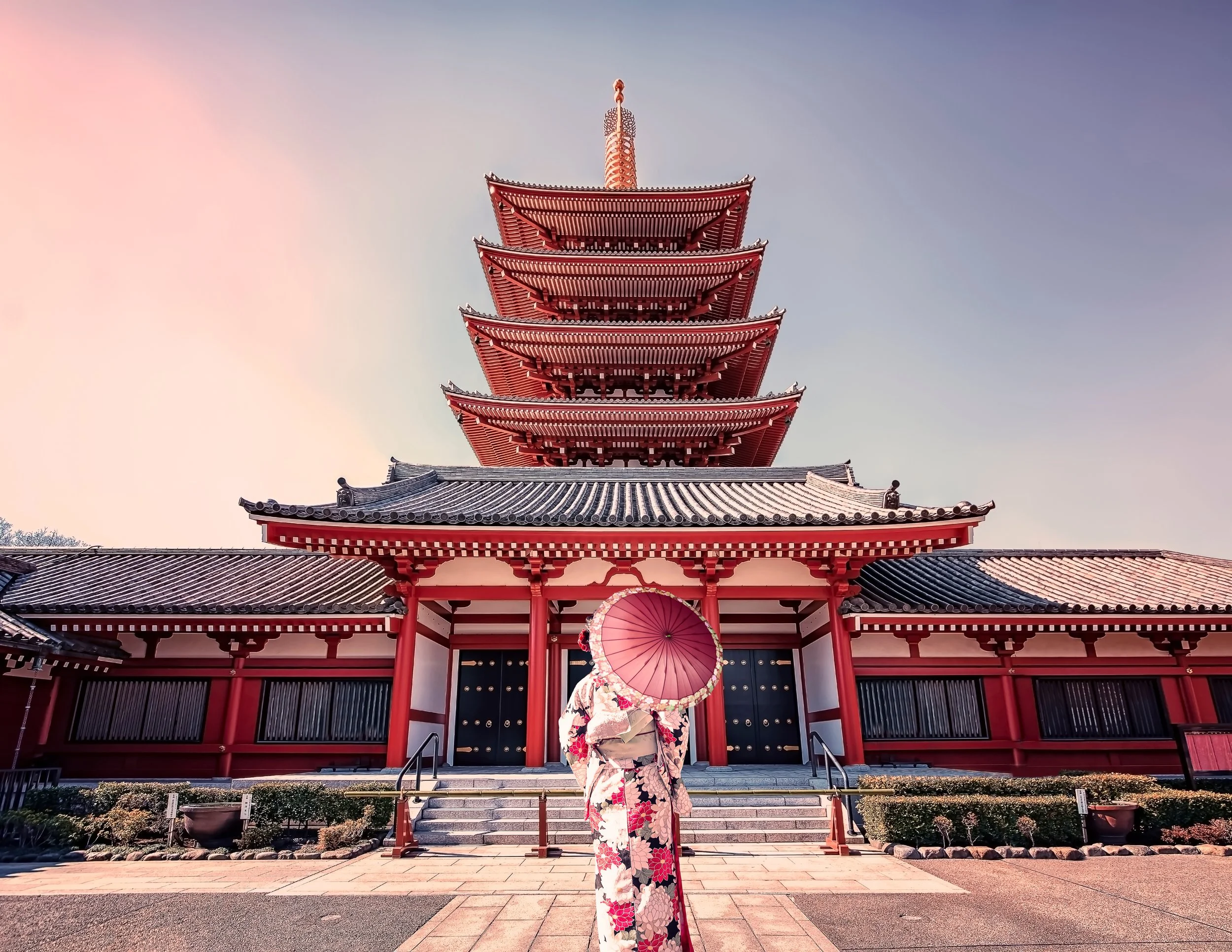
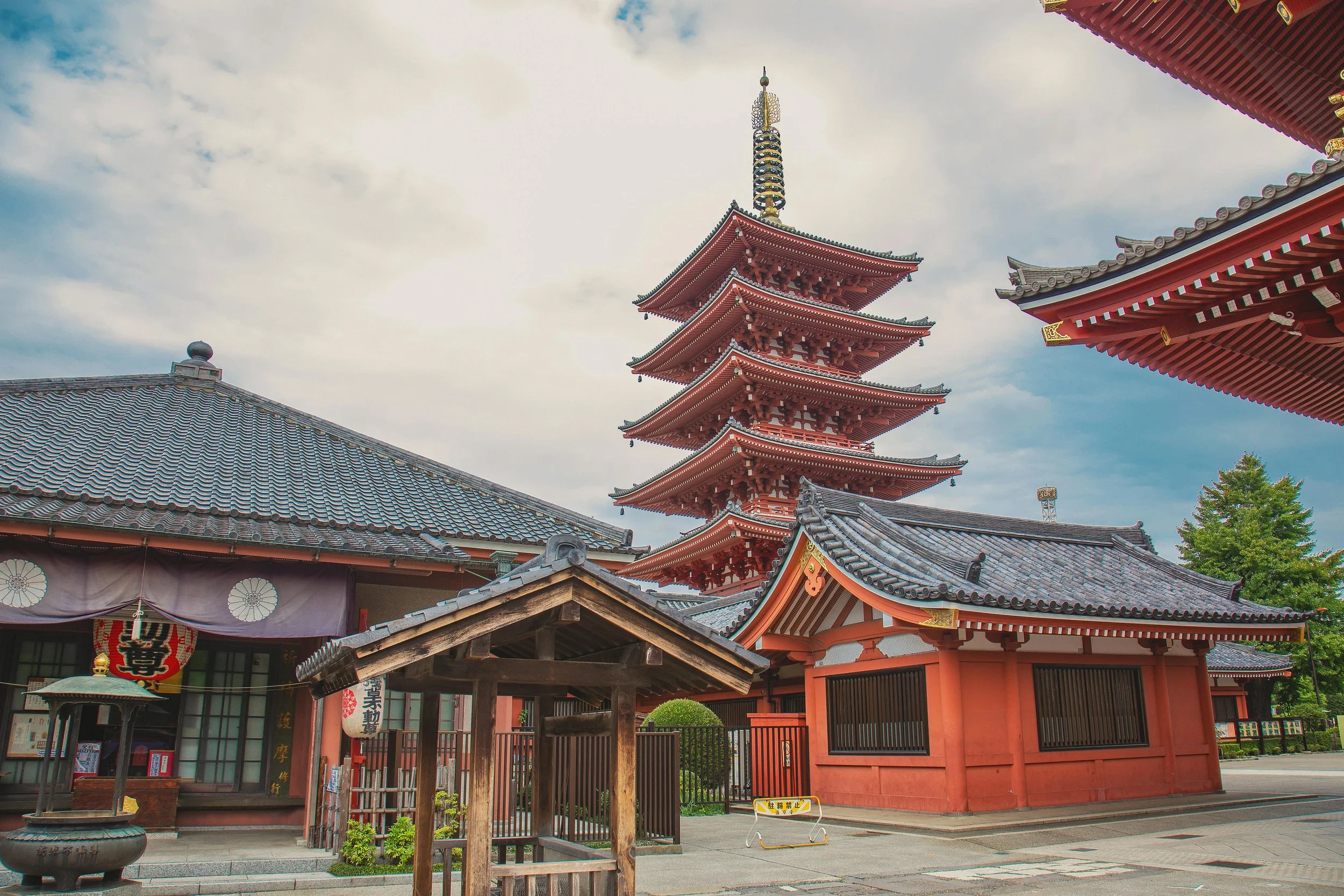
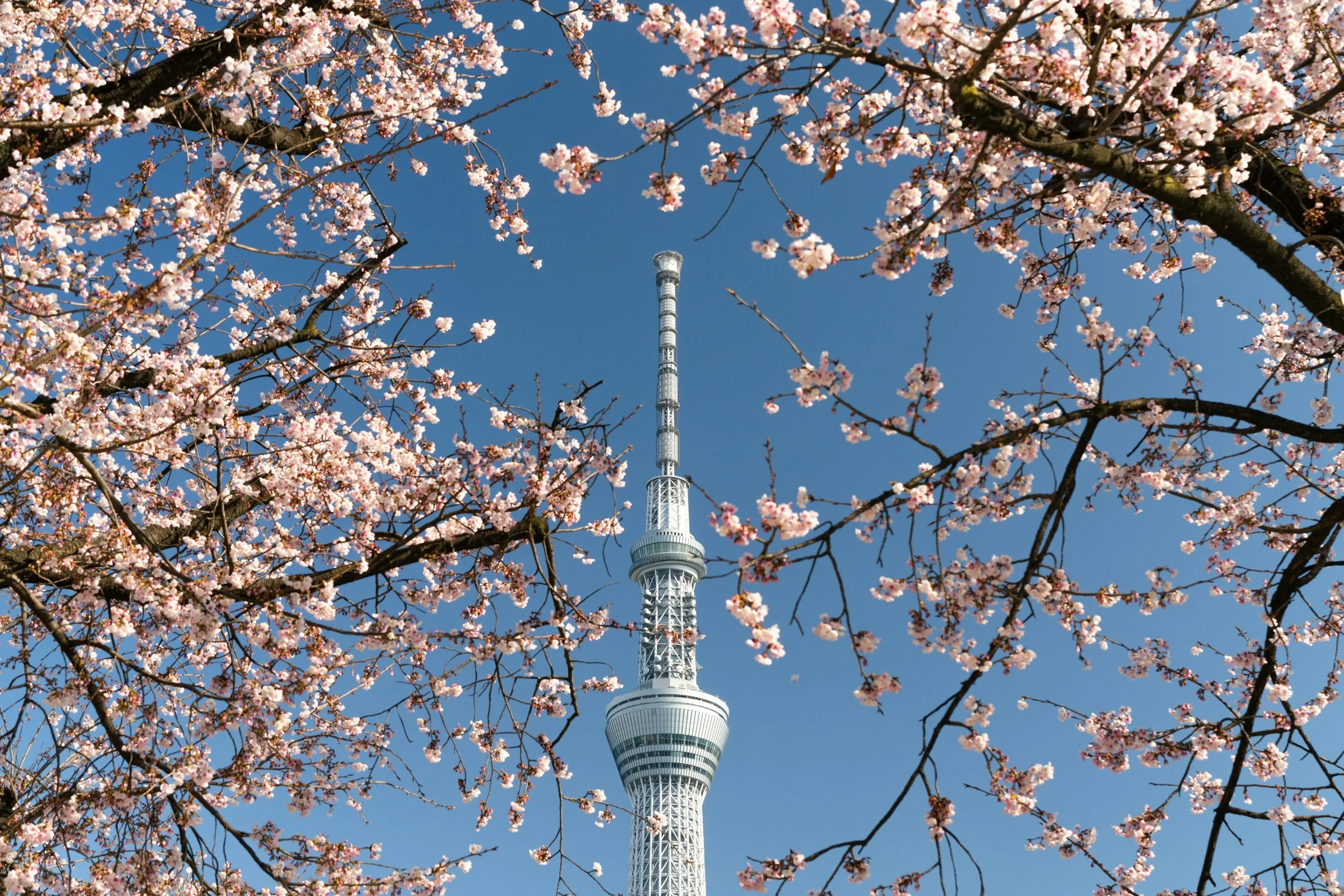
Senso-ji Temple & Asakusa
Tokyo’s oldest temple, surrounded by lanterns and the bustling Nakamise shopping street, gives you an instant hit of classic Japan in a compact, walkable area.
Local tip: Go early morning or after dark for fewer crowds and beautifully lit temple buildings.
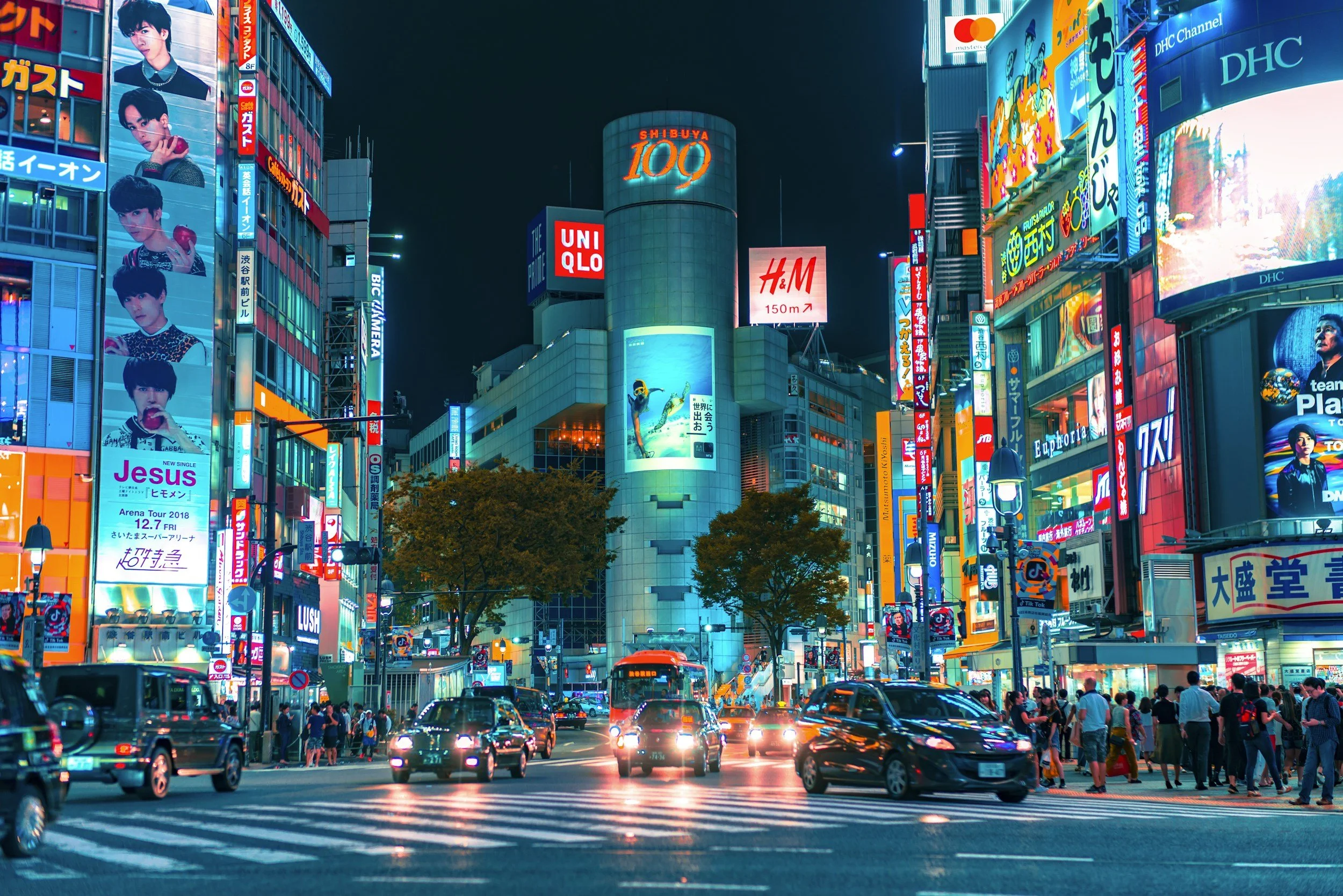
Shibuya Crossing & Hachiko
The world-famous scramble crossing, neon billboards, and nearby Hachiko statue capture Tokyo’s modern energy in one quick stop.
Local tip: Head up to a nearby café or observation deck (like Shibuya Sky if time allows) for the best overhead view of the crossing.
Meiji Shrine & Harajuku/Omotesando
A tranquil Shinto shrine hidden in a forested park, just steps from Harajuku’s edgy fashion streets and Omotesando’s chic boutiques.
Local tip: Walk the gravel path to Meiji Shrine first for quiet and shade, then loop back to Takeshita Street for snacks and people-watching.
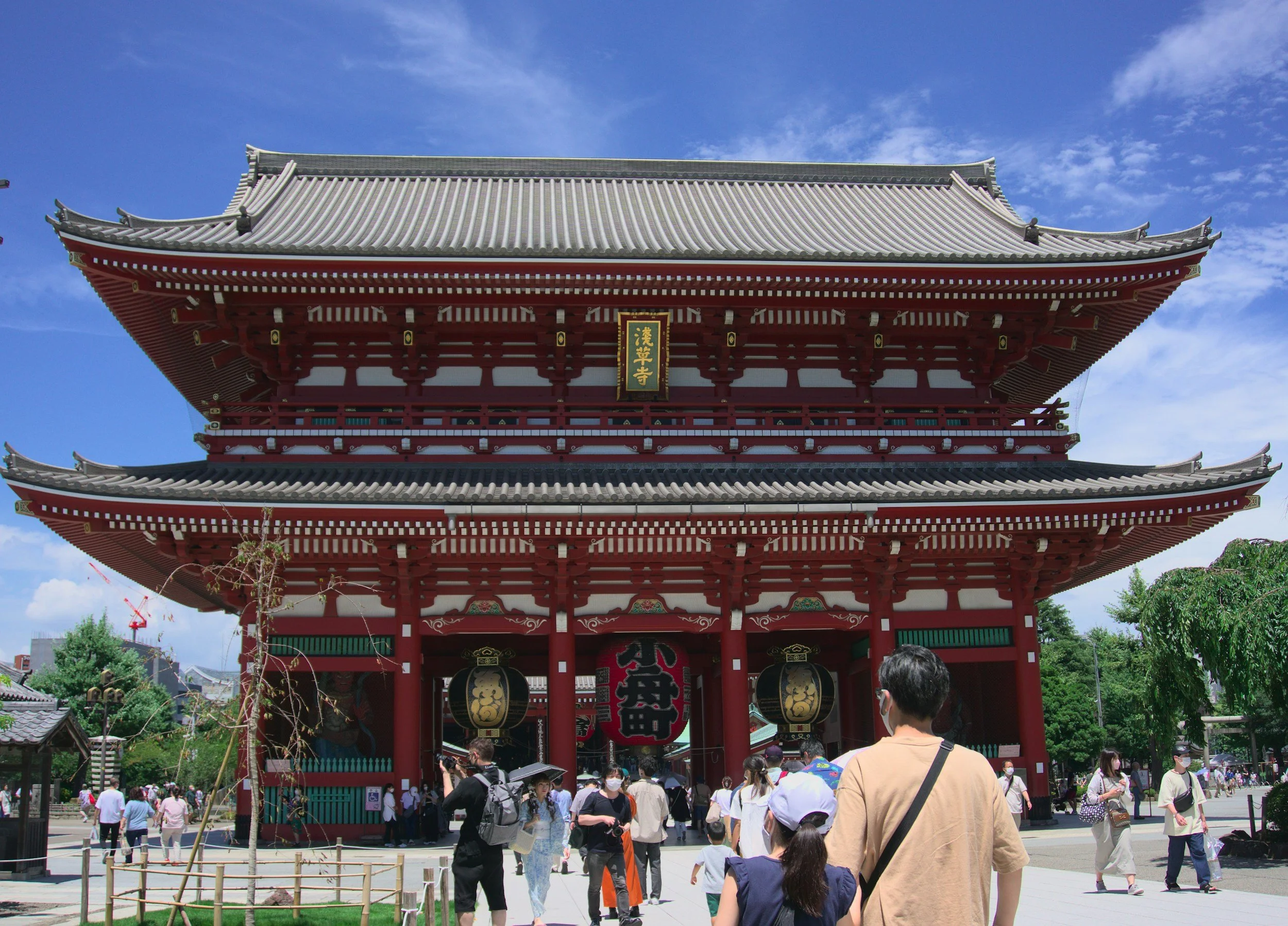
Odaiba & Tokyo Bay views
This futuristic waterfront district near the cruise terminal offers skyline views, shopping, entertainment complexes, and a great look at Rainbow Bridge.
Local tip: Time your visit for late afternoon into evening so you can see the bay by daylight and then lit up after dark.
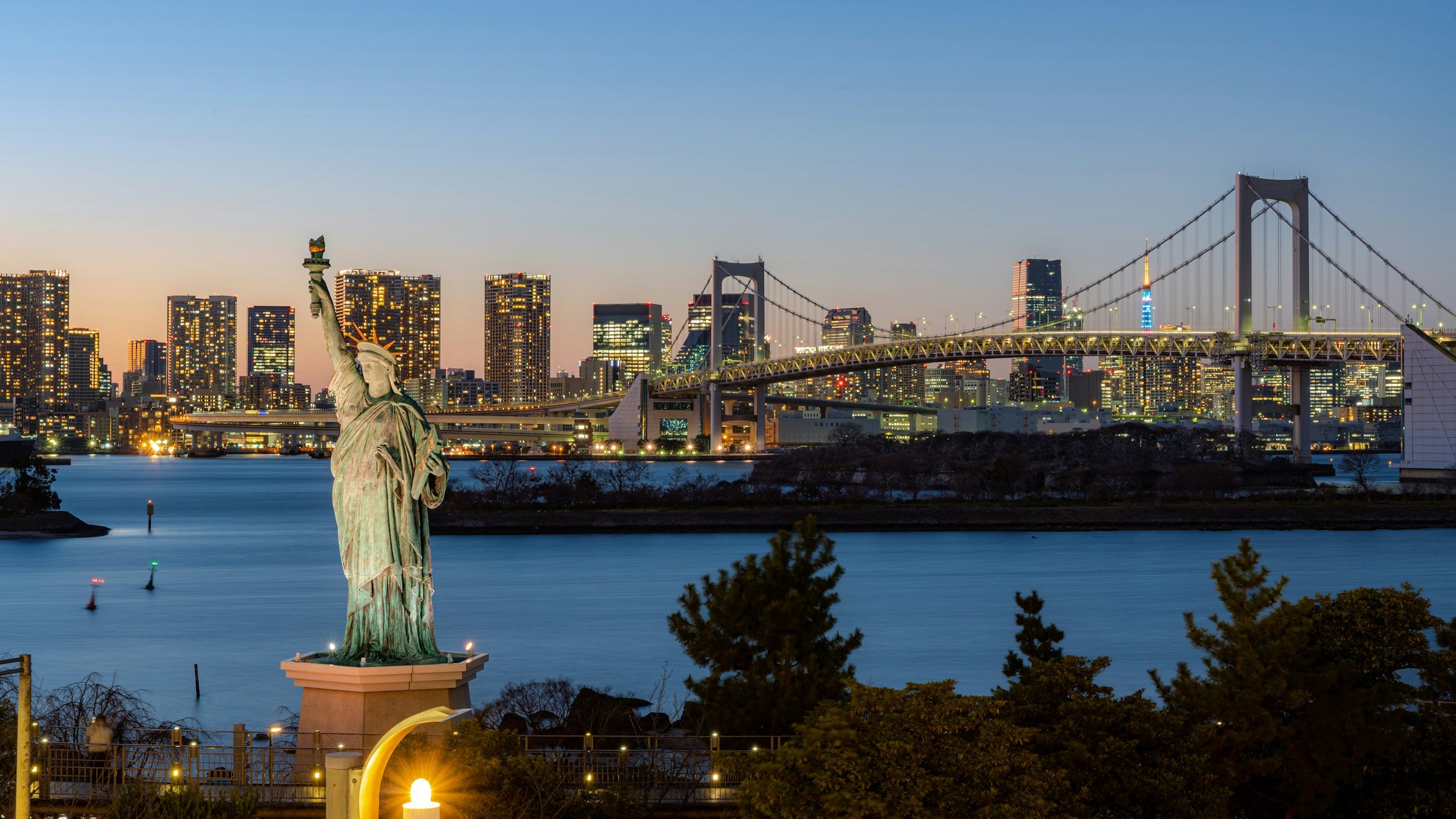
Tokyo Skytree or Tokyo Tower
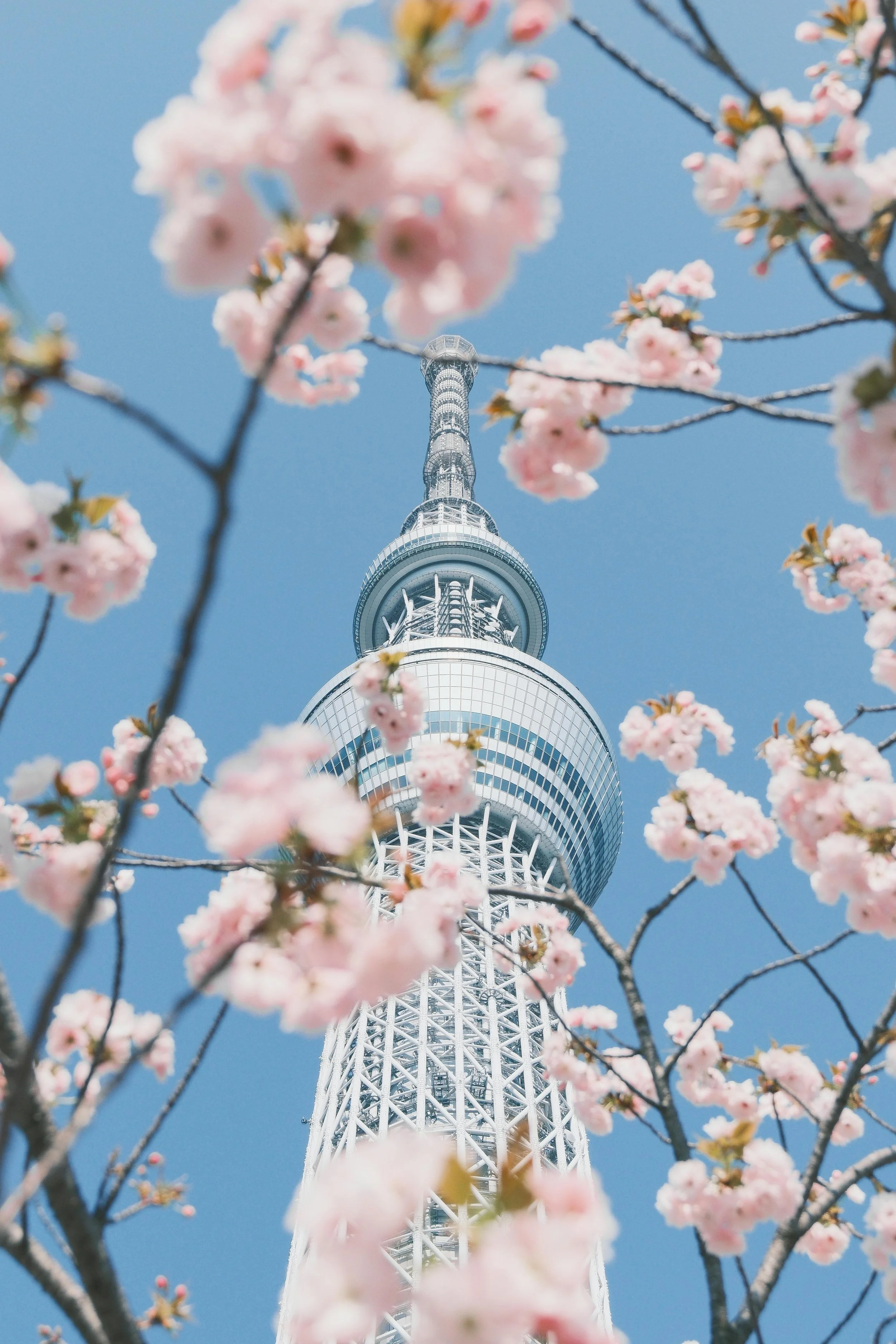
Iconic observation towers that give you a panoramic sweep of the city, from Tokyo Bay to distant Mount Fuji on clear days.
Local tip: Prebook timed tickets when possible and aim for either just after opening or around sunset to avoid peak tour-bus crowds.
Must-See Attractions 観光の名所
Essential Travel Information
-
Public transportation: Extensive and reliable — JR (including JR East lines), private railways, and Tokyo Metro connect the city and port/harbor areas to central Tokyo and local sights. Trains run frequently; expect transfers when traveling across different rail operators.
Buses: Useful for short local trips; timetables at smaller stops are often in Japanese.
Taxis & rideshares: Taxis are convenient for direct transfers to and from ports and stations; fares are metered. Rideshare apps exist but are less common than taxis.
Tickets & cards: Use rechargeable IC cards (Suica, Pasmo) for trains, buses, and many shops — faster than buying single fares.
-
Currency: Japanese yen (JPY). Cash widely used; major cards accepted at larger shops and stations.
Language: Japanese. English signage is common in stations and tourist areas; carry destination names in Japanese for taxi drivers.
-
Port name & terminal
Port Name: Tokyo
Berth Name: Tokyo International Cruise Terminal
Berth Address: EN: 2-chome, Aomi, Koto-ku, Tokyo. Japan
Arrival & embarkation
Typical tender/walk‑ashore: Most large ships berth at Tokyo International Cruise Terminal; follow Holland America boarding instructions for embarkation times and required documents.
Immigration & customs: Japanese immigration and customs processing occur at the terminal on arrival and/or departure; have passport, disembarkation card, and cruise documents ready. Allow extra time if multiple ships are in port.
Facilities at Tokyo International Cruise Terminal
Passenger services: Tourist information desk, luggage handling, Wi‑Fi, waiting areas, restrooms.
Accessibility: Ramps, elevators, and accessible toilets available; request assistance through Holland America in advance if needed.
Transport links: Short taxi rides and buses to central Tokyo hubs (e.g., Shinagawa, Hamamatsucho) and to nearby waterfront areas.
Transport options from the terminal
Train: Nearest major rail access is via Shinagawa or Hamamatsucho stations by short taxi or bus transfer; from there use JR and Keikyu lines or Tokyo Monorail for fast connections across Tokyo.
Bus/shuttle: Local buses and sightseeing shuttles operate nearby; Holland America may offer recommended shuttle/transfer options — check pre‑cruise materials.
Taxi: Readily available outside the terminal; show your destination in Japanese for convenience.
Private transfers & excursions: Holland America shore excursions and contracted transfer services commonly available; recommended for tight schedules or multi‑stop itineraries.
Customs, baggage & luggage handling
Baggage: Luggage handled by ship/port staff—follow Holland America labeling and drop‑off instructions. Confirm same‑day/overnight policies with the cruise line.
Duty rules: Standard Japanese customs procedures apply; declare restricted items.
Time considerations & tips
Timing: For short visits prioritize nearby Tokyo waterfront sites or travel into central Tokyo (transfer times ~20–90 minutes depending on destination and route).
Currency & cards: Bring Japanese yen for taxis and small vendors. IC cards (Suica/Pasmo) work for trains, buses, and many stores — available to purchase/top up at stations and airports.
Connectivity: Terminal Wi‑Fi may be limited; consider pocket Wi‑Fi or an eSIM for continuous data.
Documentation: Carry passport, cruise ID, and printed or offline directions/addresses in Japanese for taxi drivers.
Arrival day suggestion: If arriving in Japan the same day as embarkation, schedule flights into Haneda (HND) when possible for the fastest transfers to Tokyo and the terminal; when practical, arrive at least one day before sailing.
-
Narita International Airport (NRT)
Location: Narita, Chiba — about 60–80 km (37–50 miles) northeast of central Tokyo.
International flights: Major long‑haul gateway for many U.S. and international flights to the Tokyo area.
Immigration & customs: Standard arrival processing; allow 60–120 minutes depending on queues.
Transit time to central Tokyo: By train ~55–90 minutes (Narita Express to Tokyo Station or access via Keisei Skyliner to Ueno/Keisei‑Ueno), or ~60–150 minutes by airport limousine bus depending on destination and traffic. Taxi is very expensive and not recommended for long transfers.
Notes for travelers with onward connections in Tokyo: Trains and buses run frequently, but factor in luggage and transfer time; consider arriving a day early for early morning departures.
Haneda Airport (HND)
Location: Ota, Tokyo — within 15–25 km (9–15 miles) of central Tokyo.
International flights: Growing number of direct international and U.S. flights; preferred for proximity and shorter transfer times to Tokyo.
Immigration & customs: Generally faster than Narita; modern international terminal with full facilities.
Transit time to central Tokyo: By train ~15–30 minutes (Tokyo Monorail to Hamamatsucho + JR connections, or Keikyu Line direct to Shinagawa/Yokohama-bound services), or ~20–60 minutes by airport limousine bus depending on destination. Taxi ~20–40 minutes depending on traffic (far cheaper than a Narita taxi).
Advantage: Shorter transfer times and lower risk of missed connections for Tokyo‑area onward travel.
Arrival logistics & tips for U.S. travelers
Visa/Entry: U.S. passport holders generally receive short‑term visitor entry for tourism (no visa required for stays under 90 days). Ensure passport validity for your intended stay.
Customs allowances: Follow Japanese customs rules and declare restricted items.
Luggage & transfers: If connecting same day to other services in Tokyo, factor in processing and transit time; arriving a day earlier reduces stress.
Transport cards: Buy or top up a Suica or Pasmo card at the airport for convenient train/bus use and small purchases.
Currency & payment: ATMs at both airports accept many international cards (7‑Eleven and Japan Post ATMs are reliable). Currency exchange desks available.
Mobile & connectivity: Airport Wi‑Fi available; consider pocket Wi‑Fi or eSIM for continuous data.
Recommended routing for travelers from the U.S.
Prefer Haneda (HND) when available for fastest, simplest transfer to central Tokyo.
If flying into Narita (NRT), allow extra time and use Narita Express, Keisei Skyliner, or airport limousine buses to reach Tokyo to avoid tight connections.
When possible, arrive at least one day before important departures or tours in Tokyo.
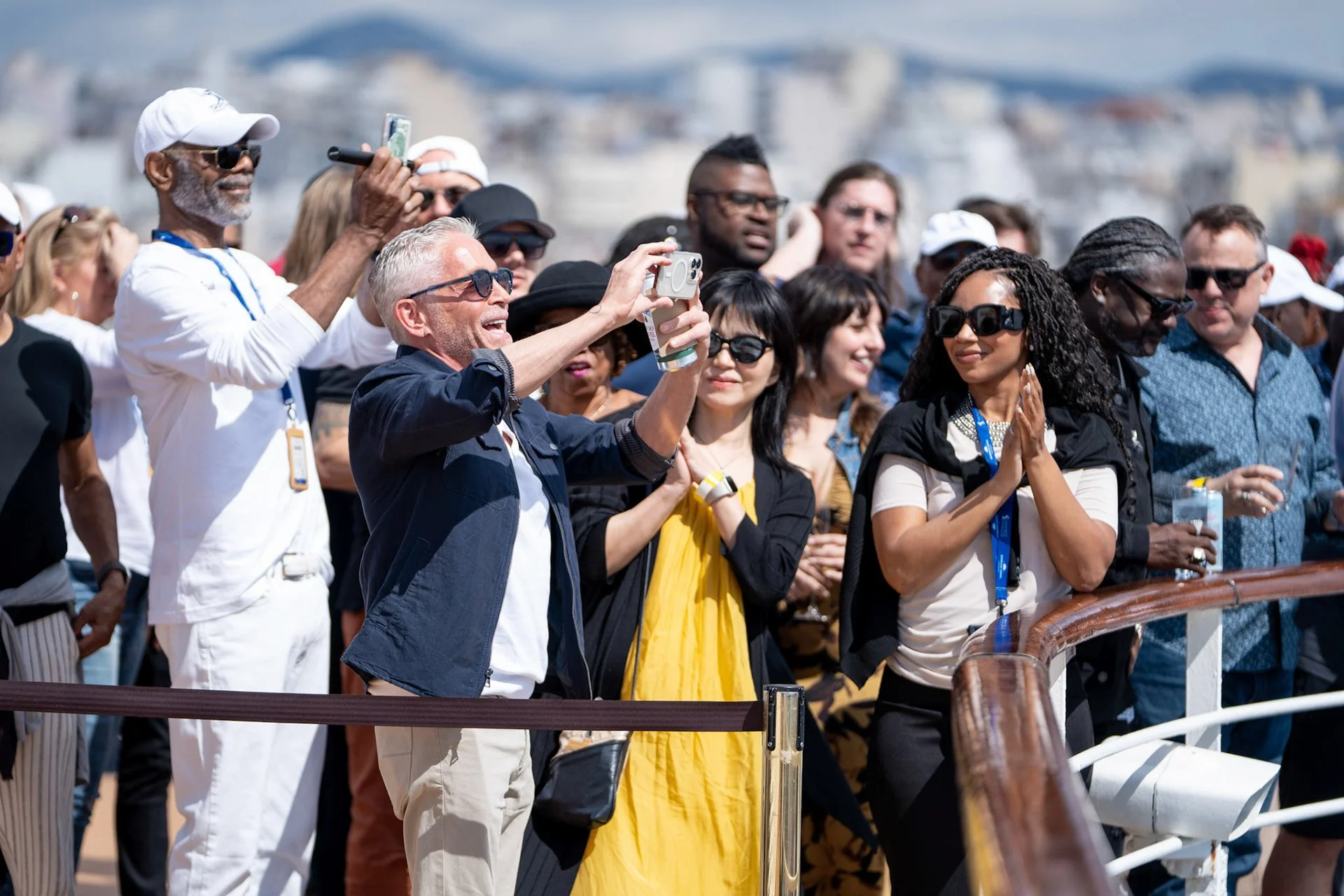
Join us for the vacation of a lifetime.
Sail with Dave Koz & Friends at Sea aboard Holland America’s ms Westerdam on an unforgettable voyage through Japan. Explore remarkable ports, enjoy world-class dining, and share the experience with a community of music lovers who travel for the joy of it.
Each evening brings live performances from an incredible lineup of over 150 artists and musicians—setting the perfect soundtrack as we journey across Japan’s coastline. It’s a week of great music, good company, and the kind of moments that only happen at sea.