
Yokohama
Japan 日本

Harbor lights, seaside calm, cosmopolitan sparkle
We will have the fantastic opportunity to explore two different ports (yet close in proximity) for our 2027 cruise embarkation and disembarkation.
Voyage 1 will begin in Tokyo and complete in Yokohama, approximately 21 miles from Tokyo
Voyage 2 will alternately begin in Yokohama and complete in Tokyo, while the rest of the cruise follows the same path as Voyage 1
Together, they form a perfect duet for our 2027 Dave Koz Cruise– Yokohama’s calm and Tokyo’s electricity, two sides of Japan’s modern soul playing in harmony.
Port Location: Shinko (2 Chome-5-1 Shinko, Naka Ward, Yokohama, Kanagawa 231-0001, Japan)

Explore Yokohama
Discover this harbor city where glittering skyscrapers, a giant Ferris wheel and historic red-brick warehouses turned into cafés curve around a wide, breezy bay. The Minato Mirai waterfront invites you to stroll between designer malls, cafés, museums and parks, all framed by sail-shaped towers and ever‑changing reflections on the water.
Step into Japan’s largest Chinatown to follow lantern-lit streets packed with dim sum stalls, steamed buns and vibrant temples, then trade the bustle for the calm of Sankeien Garden, where traditional wooden buildings, ponds and seasonal flowers offer a taste of old Japan.
Along the shore, Yamashita Park and Osanbashi Pier deliver some of the best views in the city—perfect for watching ships glide in at sunset or for taking photos of the illuminated skyline after dark. Whether you come for a relaxed day trip from Tokyo or stay longer by the bay, Yokohama blends cosmopolitan energy with seaside ease in a way that feels instantly welcoming. Whether it is the beginning of your cruise adventure or the grand finale, we are thrilled to visit this unique port city.
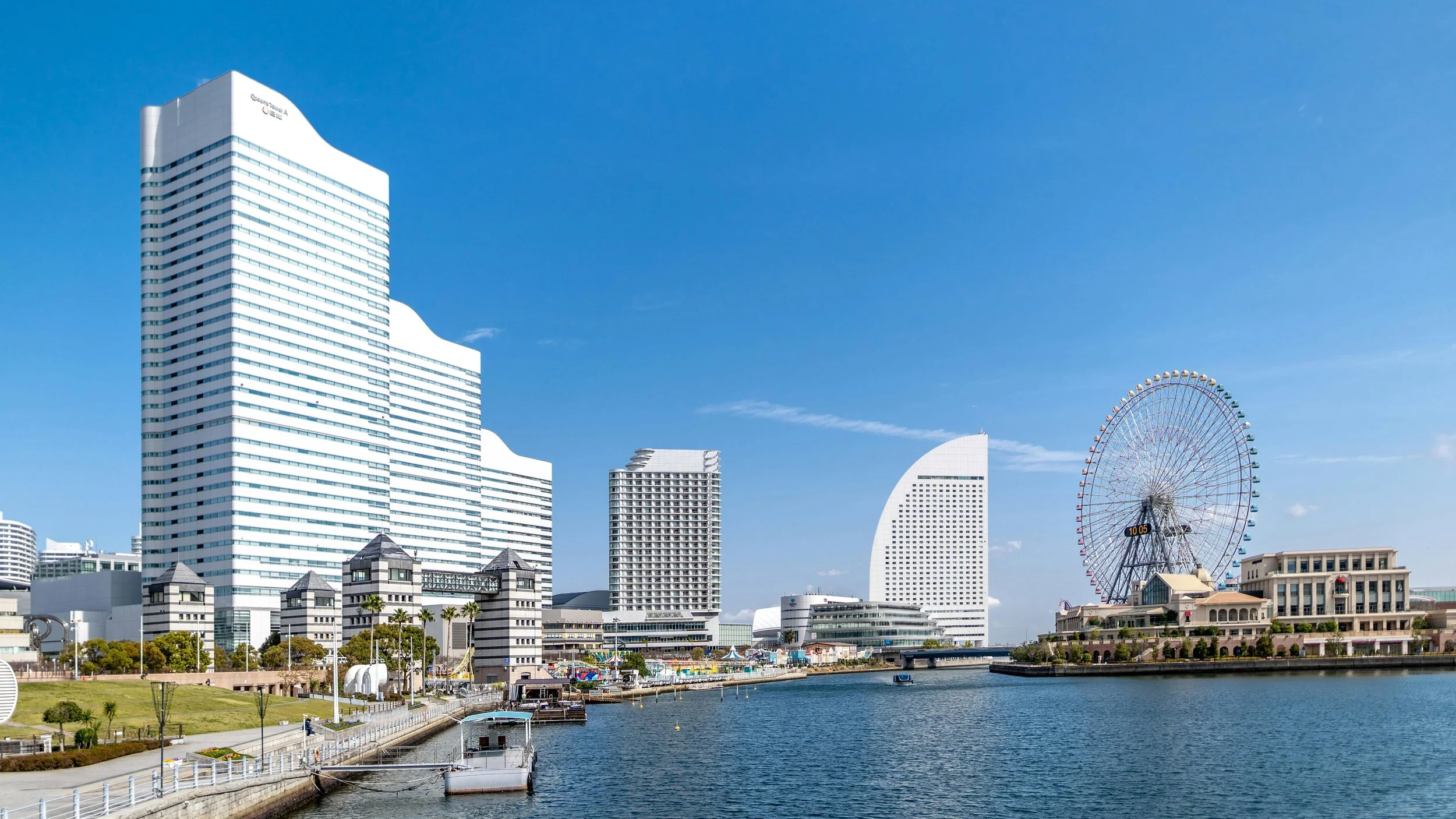
Minato Mirai 21
A sparkling waterfront district where modern architecture meets open sky. Shop, stroll the bayside promenades, or take in panoramic views from the Landmark Tower and the Cosmo Clock 21 Ferris wheel.
Local tip: Stay through sunset—the skyline lights up beautifully against Tokyo Bay, and the night view from the observation deck is one of Japan’s best.
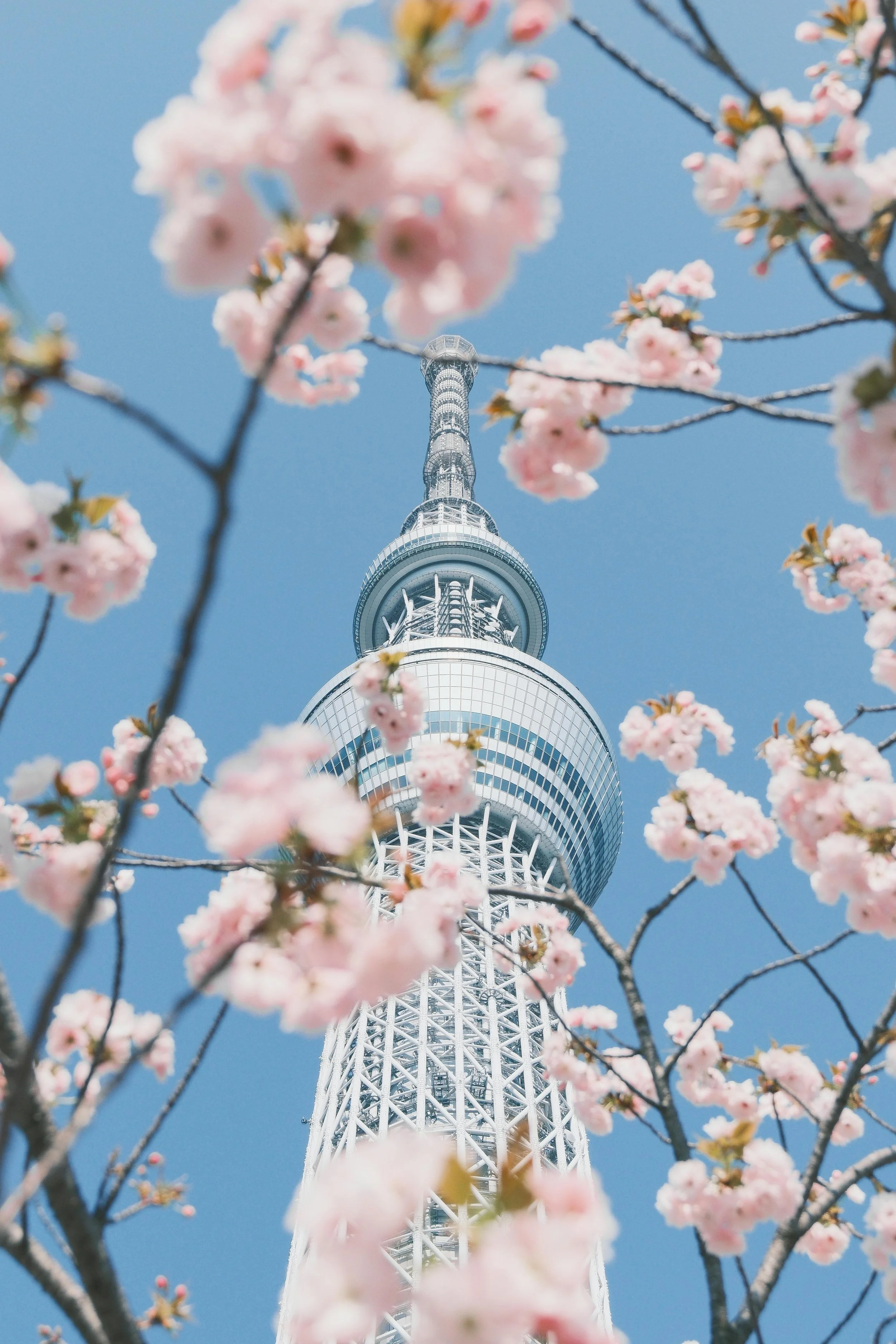
Must-See Attractions 観光の名所
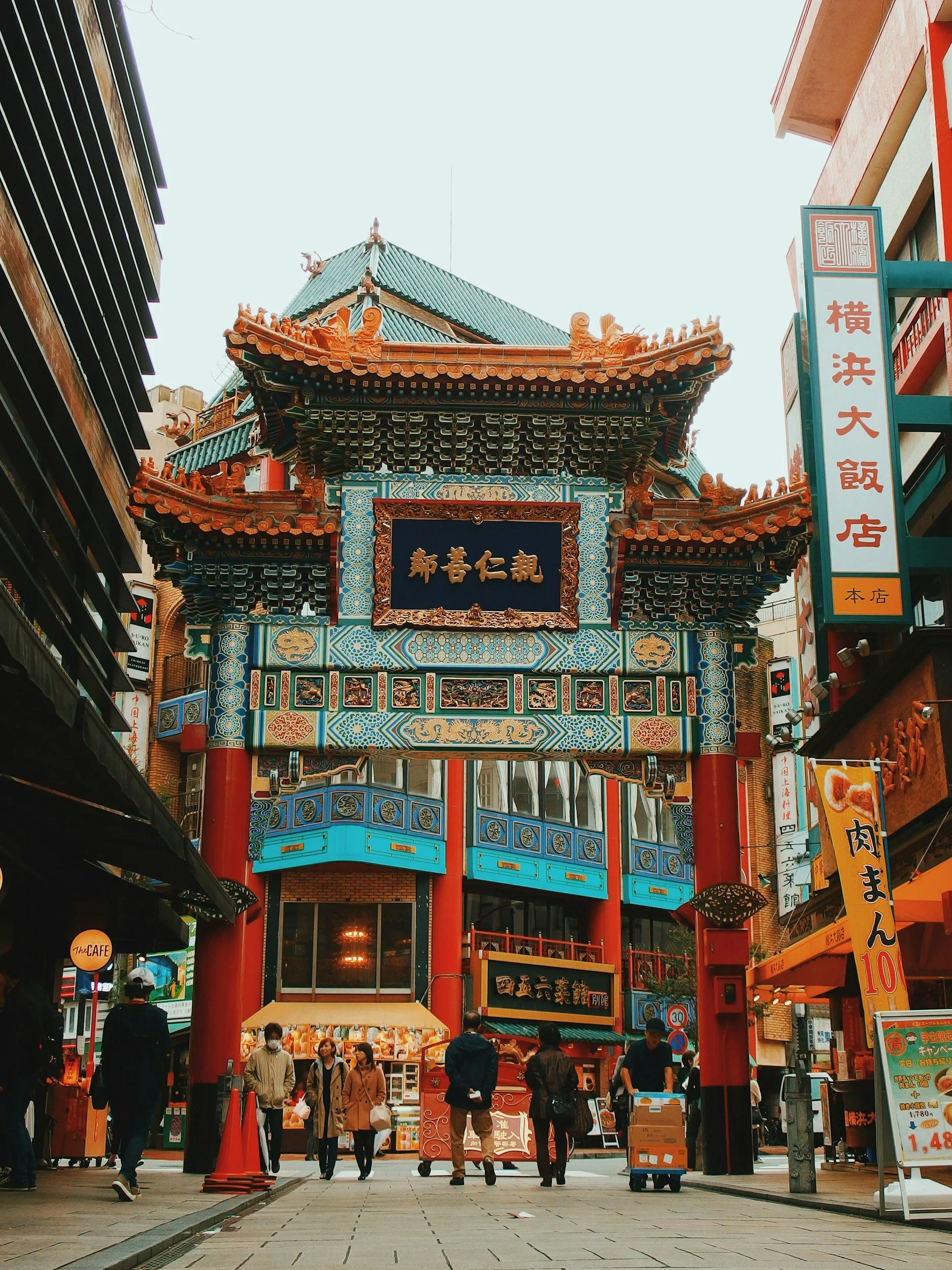
Yokohama Chinatown
One of the largest Chinatowns in Asia, alive with color, temples and endless street food. It’s the perfect stop for dim sum, steamed buns, and vibrant photo moments.
Local tip: Visit mid-morning or late afternoon to avoid peak lunch crowds; weekends can get packed.
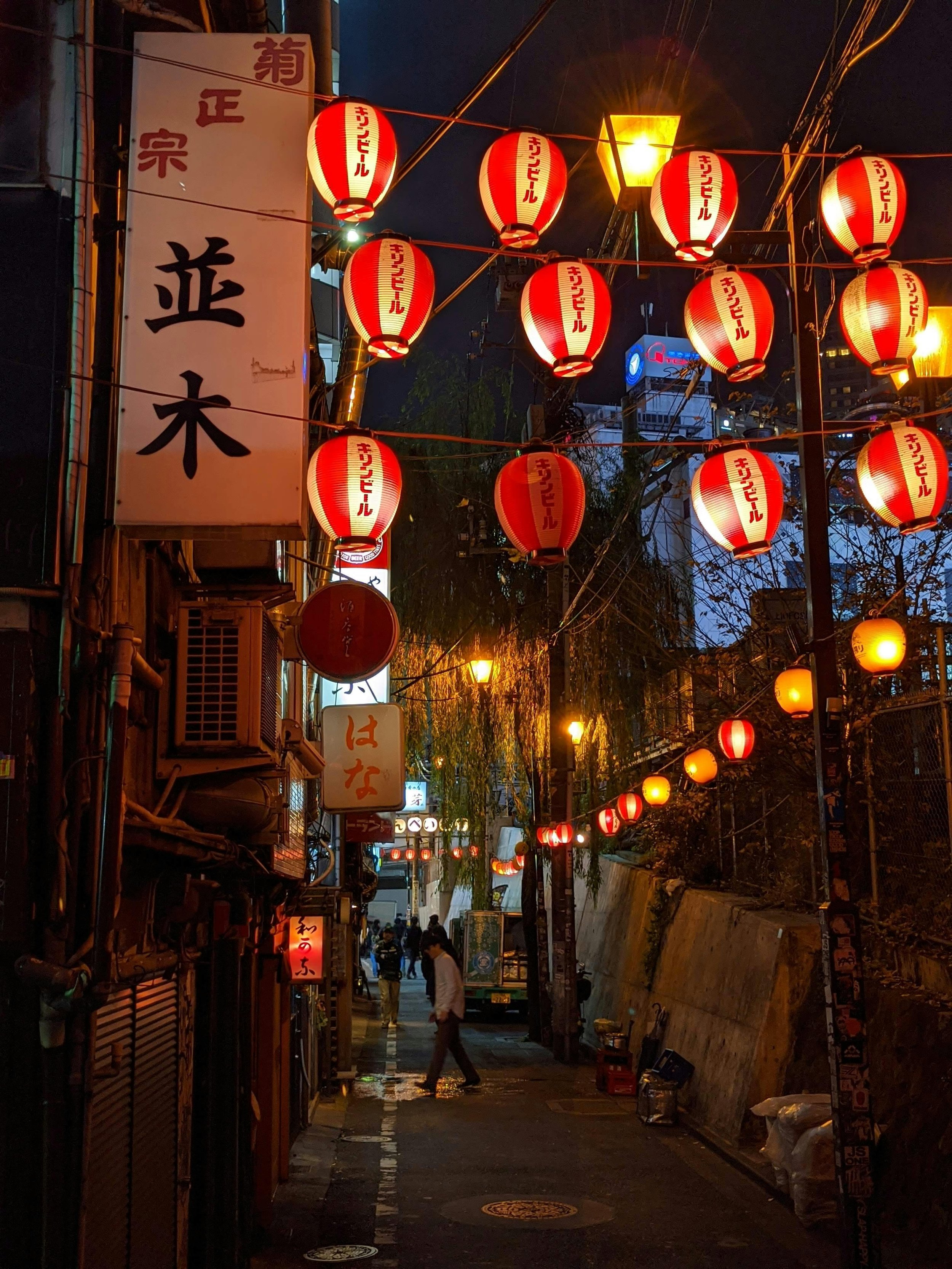
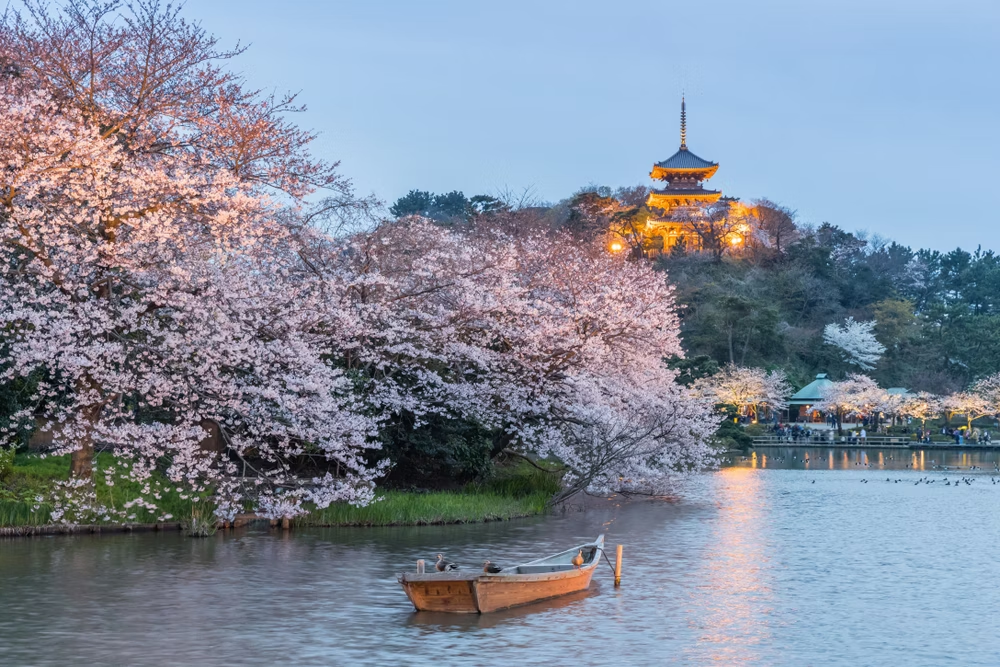
Sankeien Garden
A serene traditional garden with historic tea houses, koi ponds and seasonal blooms that shift from cherry blossoms to autumn maple.
Local tip: Go early for quiet paths and soft morning light—ideal for photography and reflection.
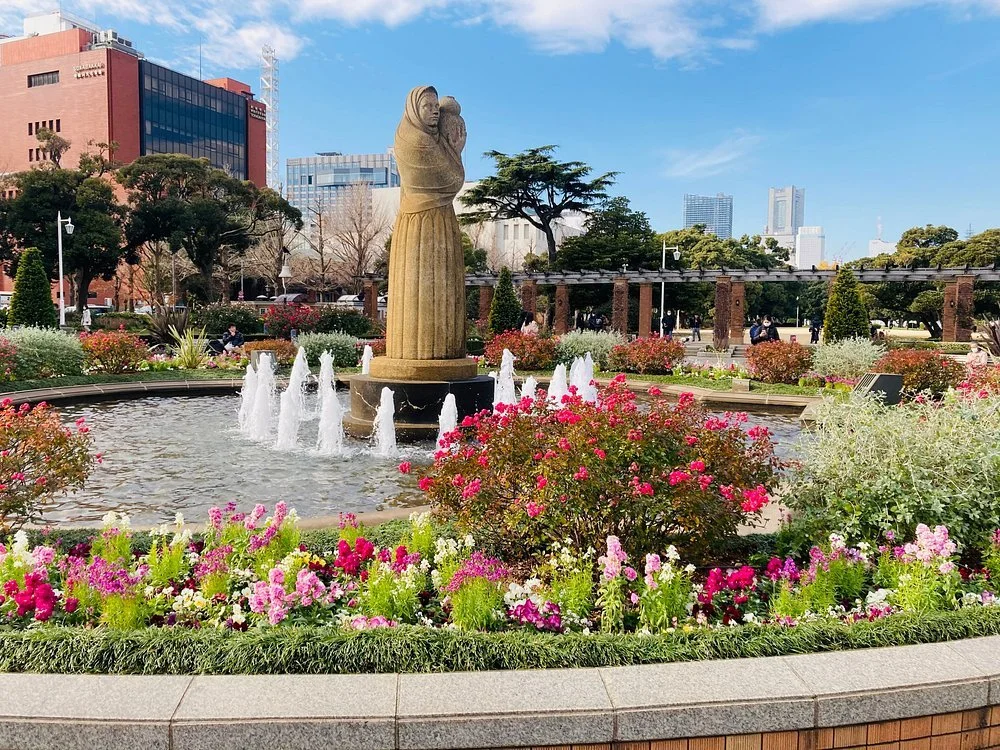
Yamashita Park & Red Brick Warehouses
The city’s waterfront heart. Relax on the park benches with views of the bay, then explore the nearby red-brick port buildings filled with boutiques, galleries and cafés.
Local tip: Walk from the park to Osanbashi Pier for the best harbor views and occasional cruise-ship sightings.
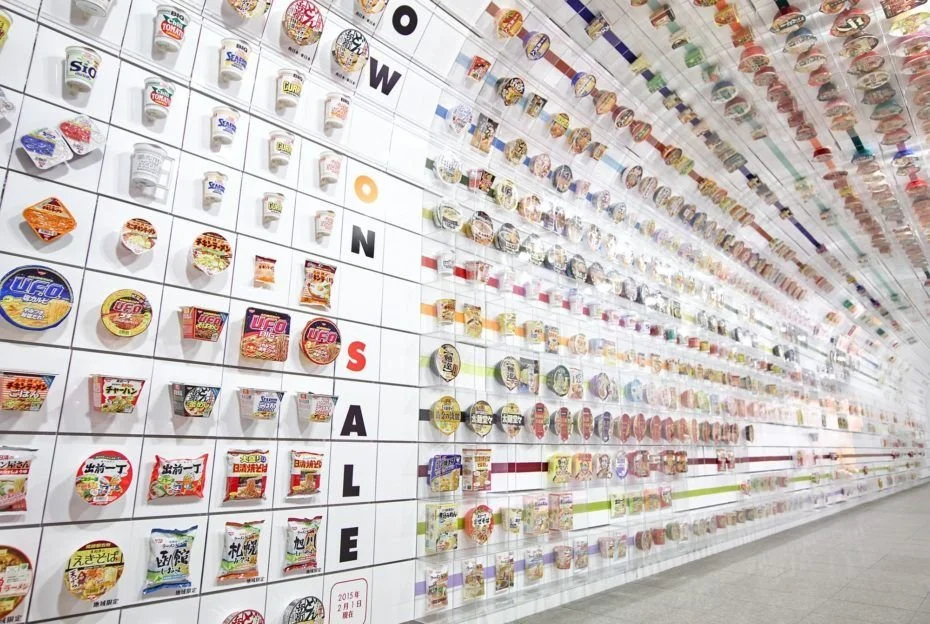
CupNoodles Museum Yokohama
A playful, hands-on museum celebrating instant noodle innovation. Design your own cup, learn the story of Momofuku Ando and sample global ramen styles.
Local tip: Great for families—arrive early to secure a spot in the “My Cup Noodles Factory” experience.
Essential Travel Information
-
Public transportation: Extensive and reliable — JR (including JR East), private railways (Keikyu, Tokyu), Yokohama Municipal Subway, and the Minatomirai Line connect the port/harbour area (Osanbashi/Tokyo International Cruise Terminal is in nearby Yokohama waterfront) to Yokohama city center and local sights. Trains run frequently; expect transfers when traveling across different operators.
Buses: Useful for short local trips; timetables at smaller stops are often in Japanese.
Taxis & rideshares: Taxis are convenient for direct port transfers; fares are metered. Rideshare apps exist but are less common than taxis in Yokohama.
Tickets & cards: Use rechargeable IC cards (Suica, Pasmo, or local Pasmo-compatible cards like ICOCA) for trains, buses, ferries, and many shops — faster than buying single fares.
-
Currency: Japanese yen (JPY). Cash widely used; major cards accepted at larger shops and stations.
Language: Japanese. English signage is common in stations and tourist areas; carry destination names in Japanese for taxi drivers.
-
Port name & terminal
Port Name: Yokohama
Berth Name: Shinko
Berth Address: EN: 2-14-1, Shinkou, Naka-ku, Yokohama-shi, Kanagawa Pref. Japan
Arrival & embarkation
Typical tender/walk‑ashore: Large ships commonly berth at Osanbashi (Osanbashi Pier) or at Shinko; follow Holland America boarding instructions for specific berth, embarkation times, and required documents.
Immigration & customs: Japanese immigration and customs processing occur at the terminal on arrival and/or departure; have passport, disembarkation card, and cruise documents ready. Allow extra time if multiple ships are in port.
Facilities at the terminal
Passenger services: Tourist information desk, luggage handling, Wi‑Fi, waiting areas, restrooms.
Accessibility: Ramps, elevators, and accessible toilets available; request assistance through Holland America in advance if needed.
Transport links: Short taxi or bus rides to Yokohama Station, Minato Mirai, and nearby attractions; walking access to Yamashita Park, Chinatown, and the Red Brick Warehouses depending on exact berth.
Transport options from the terminal
Train: Nearest major rail access is Yokohama Station (JR, Keikyu, Tokyu lines) — typically 10–25 minutes by taxi or local bus depending on berth. From Yokohama Station use JR and private lines for onward travel to Tokyo and the region.
Bus/shuttle: Local buses and sightseeing shuttles serve the waterfront; Holland America may provide recommended shuttle/transfer options—check pre‑cruise materials.
Taxi: Readily available outside the terminal; fares are metered. Carry your destination written in Japanese for convenience.
Private transfers & excursions: Holland America shore excursions and contracted transfer services are commonly available and recommended for tight schedules or multi‑stop itineraries.
Customs, baggage & luggage handling
Baggage: Luggage is handled by ship/port staff—follow Holland America labeling and drop‑off instructions. Confirm same‑day/overnight policies with the cruise line.
Duty rules: Standard Japanese customs procedures apply; declare restricted items.
Time considerations & tips
Timing: For short calls prioritize nearby Minato Mirai, Chinatown, and Yamashita Park. Allow extra time for transfers into central Tokyo (~30–90 minutes depending on route and traffic).
Currency & cards: Bring Japanese yen for taxis and small vendors. IC cards (Suica/Pasmo) work for trains, buses, and many stores—available to purchase or top up at stations and some kiosks.
Connectivity: Terminal Wi‑Fi may be limited; consider pocket Wi‑Fi or an eSIM for continuous data.
Documentation: Carry passport, cruise ID, and printed or offline addresses/directions in Japanese for taxi drivers.
Arrival day suggestion: If arriving in Japan the same day as embarkation, fly into Haneda (HND) when possible for the fastest transfers to Yokohama; when feasible, arrive at least one day before sailing.
-
Major airports serving Yokohama
Narita International Airport (NRT)
Location: Narita, Chiba — about 70–90 km (43–56 miles) northeast of Yokohama.
International flights: Major long‑haul gateway for many international and U.S. flights to the Tokyo/Yokohama area.
Immigration & customs: Standard arrival processing; allow 60–120 minutes depending on queues.
Transit time to Yokohama: By train ~80–110 minutes (Keisei Skyliner or Narita Express to Tokyo/Ueno then transfer to JR/Keikyu lines) or ~90–140 minutes by airport limousine bus depending on traffic and destination in Yokohama. Taxi is very expensive and not recommended.
Notes for cruise passengers: Trains and buses run frequently but factor in luggage and transfer time to your ship’s embarkation; consider arriving a day earlier when possible.
Haneda Airport (HND)
Location: Ota, Tokyo — about 20–30 km (12–18 miles) northeast of Yokohama.
International flights: Many direct international and U.S. flights; preferred for proximity to Yokohama.
Immigration & customs: Generally faster than Narita; modern international terminal with good facilities.
Transit time to Yokohama: By train ~20–30 minutes (Keikyu Line direct to Yokohama Station or Keikyu→JR transfers) or ~25–45 minutes by airport limousine bus. Taxi ~25–45 minutes depending on traffic (far cheaper than Narita).
Advantage for cruise passengers: Shorter transfer times and lower risk of missed connections—Haneda is usually the better choice when available.
Arrival logistics & tips for U.S. travelers
Visa/Entry: U.S. passport holders generally receive short‑term visitor entry for tourism (no visa required for stays under 90 days). Ensure passport validity for your intended stay.
Customs allowances: Follow Japanese customs rules and declare restricted items.
Luggage & transfers: If arriving the same day as embarkation, confirm your cruise line’s luggage cut‑off and embarkation time; arriving a day earlier reduces risk.
Transport cards: Buy or top up a Suica or Pasmo card at the airport for convenient train/bus use and small purchases.
Currency & payment: ATMs at both airports accept many international cards (7‑Eleven and Japan Post ATMs are reliable). Currency exchange desks available.
Mobile & connectivity: Airport Wi‑Fi available; consider pocket Wi‑Fi or an eSIM for continuous data.
Recommended routing for cruise passengers from the U.S.
Prefer Haneda (HND) when available — fastest and simplest transfer to Yokohama.
If flying into Narita (NRT), allow extra time and use Narita Express/Keisei Skyliner + local transfers or airport limousine buses to reach Yokohama.
When possible, arrive at least one day before cruise departure to reduce risk from delays.
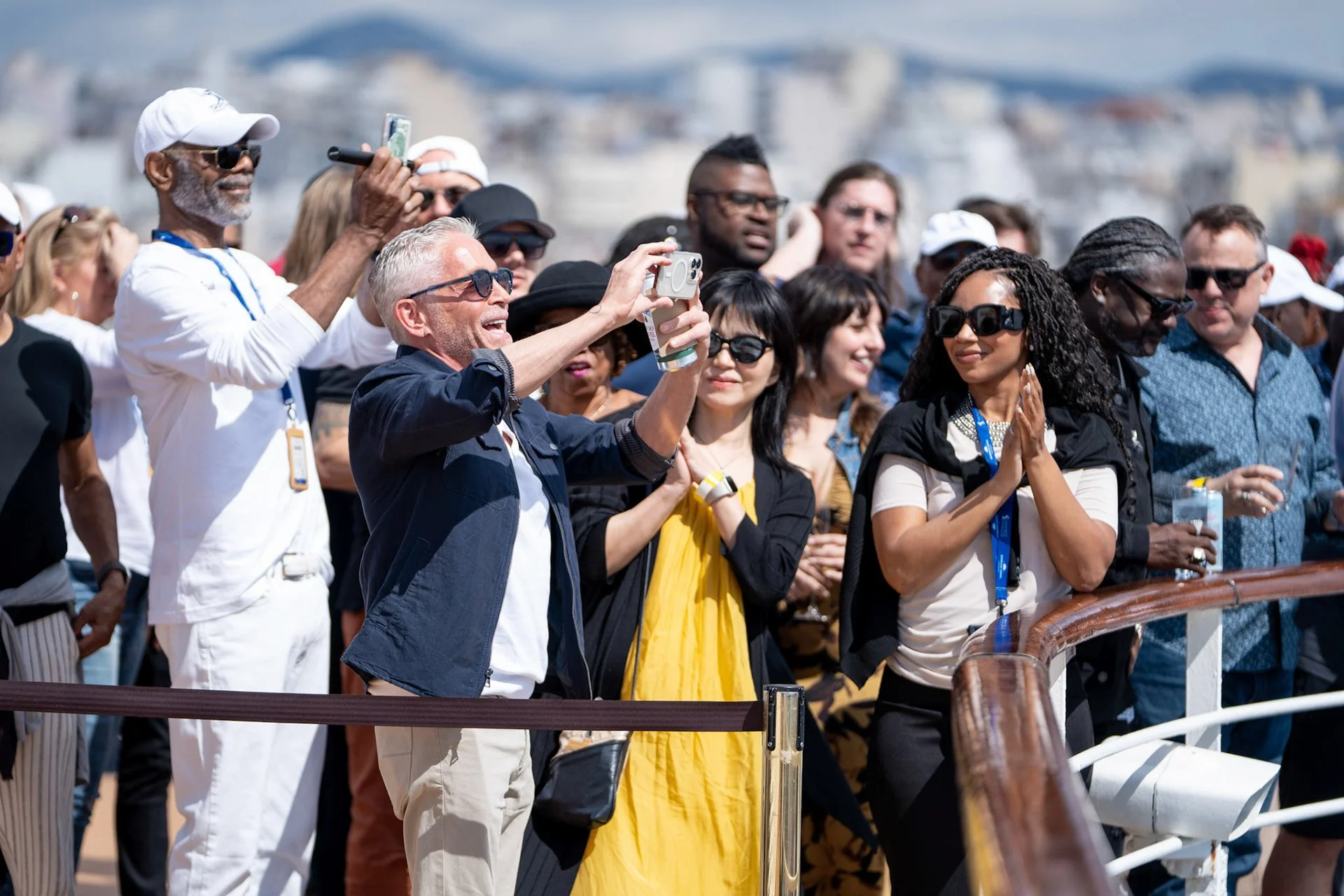
Join us for the vacation of a lifetime.
Sail with Dave Koz & Friends at Sea aboard Holland America’s ms Westerdam on an unforgettable voyage through Japan. Explore remarkable ports, enjoy world-class dining, and share the experience with a community of music lovers who travel for the joy of it.
Each evening brings live performances from an incredible lineup of over 150 artists and musicians—setting the perfect soundtrack as we journey across Japan’s coastline. It’s a week of great music, good company, and the kind of moments that only happen at sea.